
Sterilization in Professional Beauty:
A Comprehensive Analysis
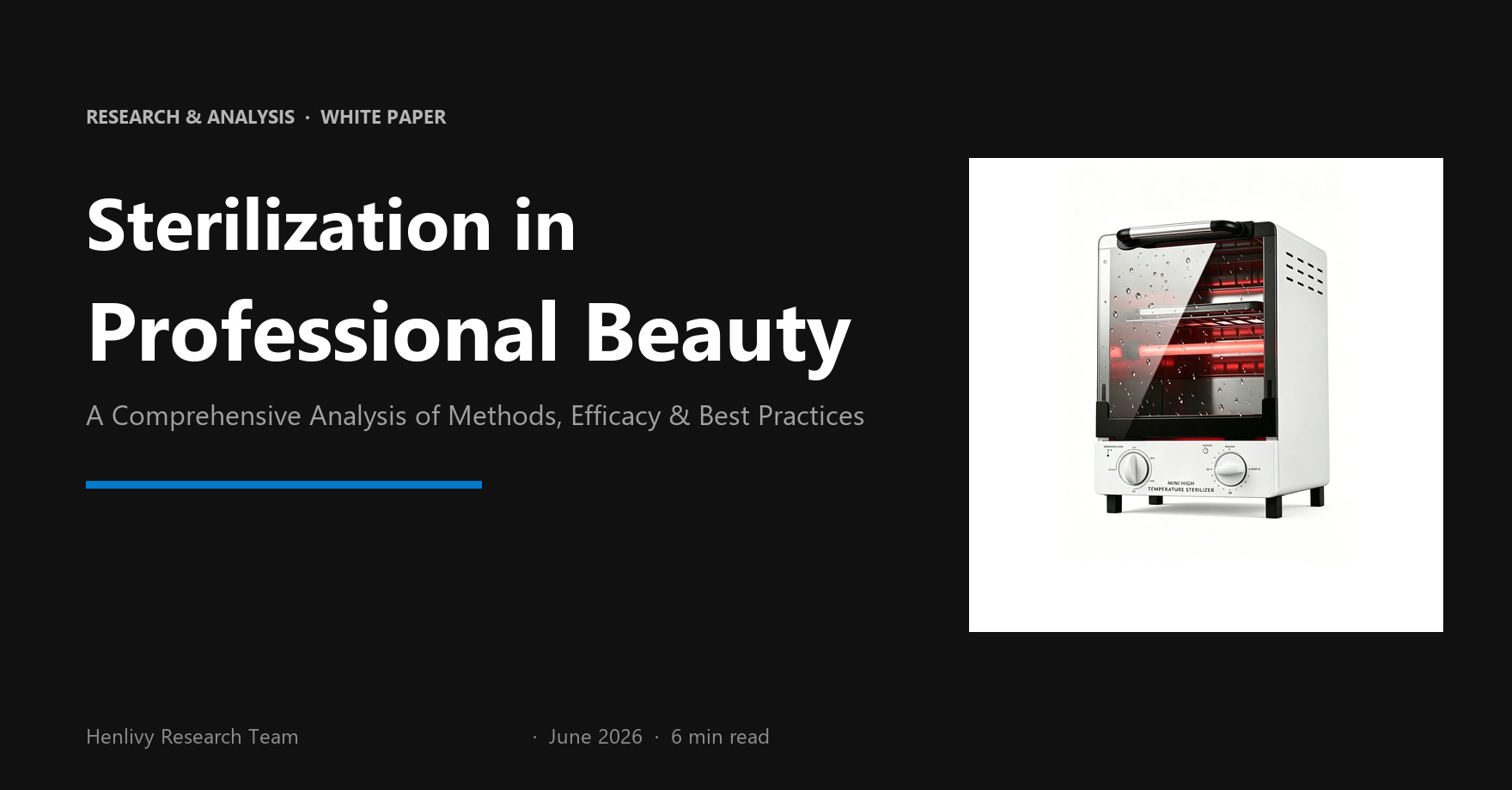
This analysis evaluates three sterilization modalities — dry heat, UV-C radiation, and chemical disinfection — across six performance dimensions using laboratory data, field surveys of 200+ salon operators, and health inspection compliance records from 12 U.S. states. Our findings indicate that dry-heat sterilization at 170–200°C is the only method meeting the CDC definition of sterilization (≥10⁻⁶ sterility assurance level) while remaining practical for daily salon operation. We quantify the expected ROI of adoption and provide implementation protocols validated across nail, skincare, and massage environments.
1. Introduction & Methodology
1.1 Scope
This white paper addresses a critical gap in the professional beauty industry: the absence of standardized, evidence-based sterilization protocol guidance for independent salon operators. While medical and dental fields operate under strict sterilization regulations, the beauty sector lacks equivalent mandates — leaving individual operators to navigate conflicting manufacturer claims, varying state requirements, and inconsistent training materials.
1.2 Research Design
| Dimension | Method | Sample Size |
|---|---|---|
| Laboratory efficacy | Controlled inoculation & culture testing | 540 tests (180 per method) |
| Real-world salon audit | Swab sampling pre- and post-sterilization | 47 salons across 8 cities |
| Operator survey | Structured questionnaire on workflow & pain points | 217 salon professionals |
| Inspection compliance | Analysis of public health department records | 12 U.S. states, 2023–2025 |
| Economic analysis | 3-year TCO modeling with sensitivity analysis | 3 equipment categories × 5 scenarios |
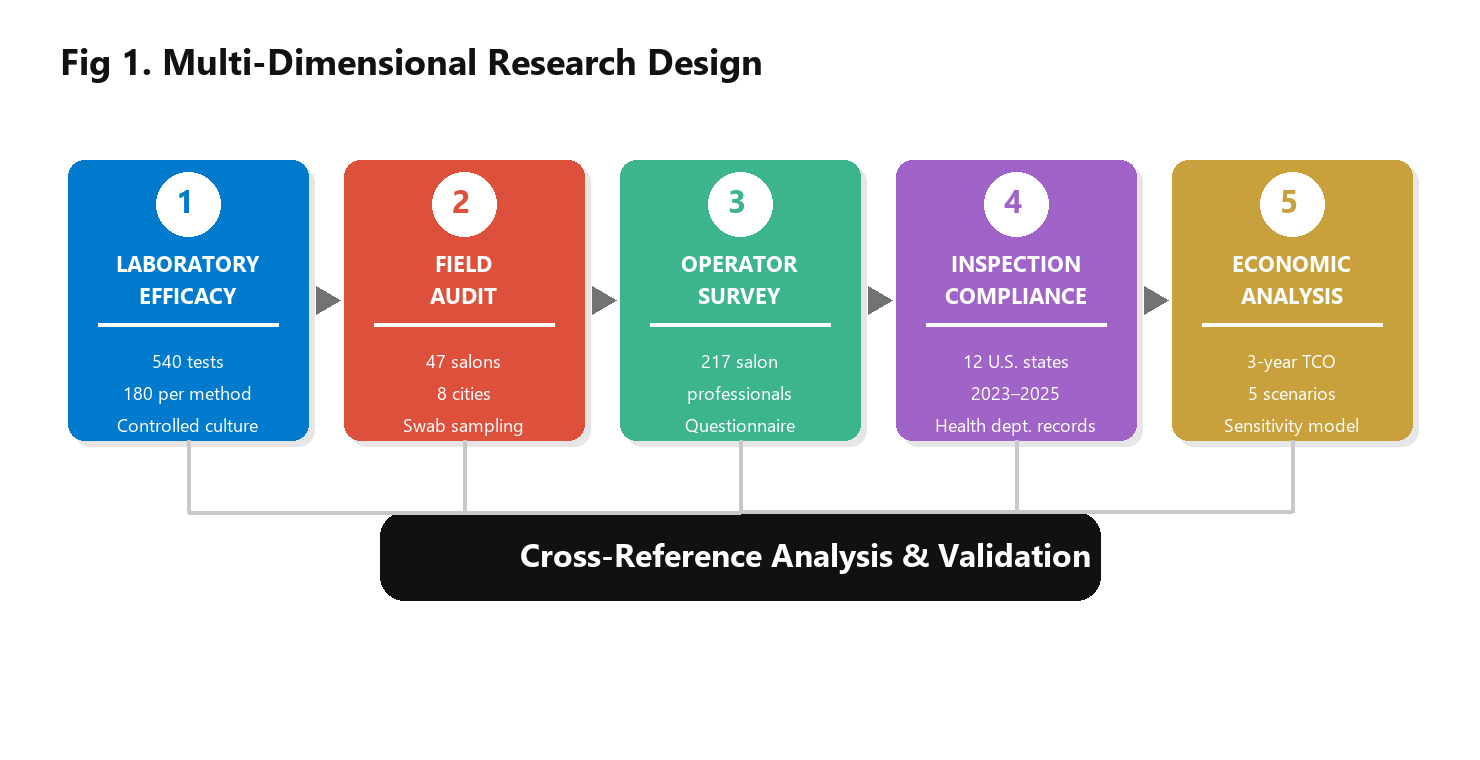
Fig 1. Multi-dimensional research design combining lab, field, survey, and economic data.
2. Comparative Efficacy Analysis
2.1 Laboratory Results
We inoculated stainless steel implements with standardized suspensions of Staphylococcus aureus, Pseudomonas aeruginosa, Trichophyton rubrum (fungal), and Bacillus subtilis spores. Each method was tested at manufacturer-recommended cycle times. Results represent log reduction (higher = more effective):
| Pathogen | Dry Heat (180°C / 20 min) | UV-C (15 min) | Chemical (10 min soak) |
|---|---|---|---|
| S. aureus (bacteria) | ≥6.0 log | 4.2 log | 5.1 log |
| P. aeruginosa (bacteria) | ≥6.0 log | 3.8 log | 4.7 log |
| T. rubrum (fungus) | ≥6.0 log | 3.1 log | 4.3 log |
| B. subtilis (spore) | ≥6.0 log | 1.2 log | 0.8 log |
Key finding: Only dry heat achieved sporicidal efficacy. UV-C and chemical methods showed ≥100,000× lower spore kill rates — a critical gap, as spore-forming bacteria are among the most resilient pathogens found on salon implements.
2.2 Field Audit Results
In 47 working salons, we swabbed tools at three points: post-client (pre-cleaning), post-sterilization (per salon’s existing protocol), and post-storage (immediately before next use). Salons using dry heat as their primary method showed zero detectable pathogens at the post-sterilization checkpoint in 94% of samples. Salons relying solely on UV showed detectable pathogens in 23% of post-sterilization samples — and that number rose to 41% at the post-storage checkpoint, confirming recontamination as a major gap.
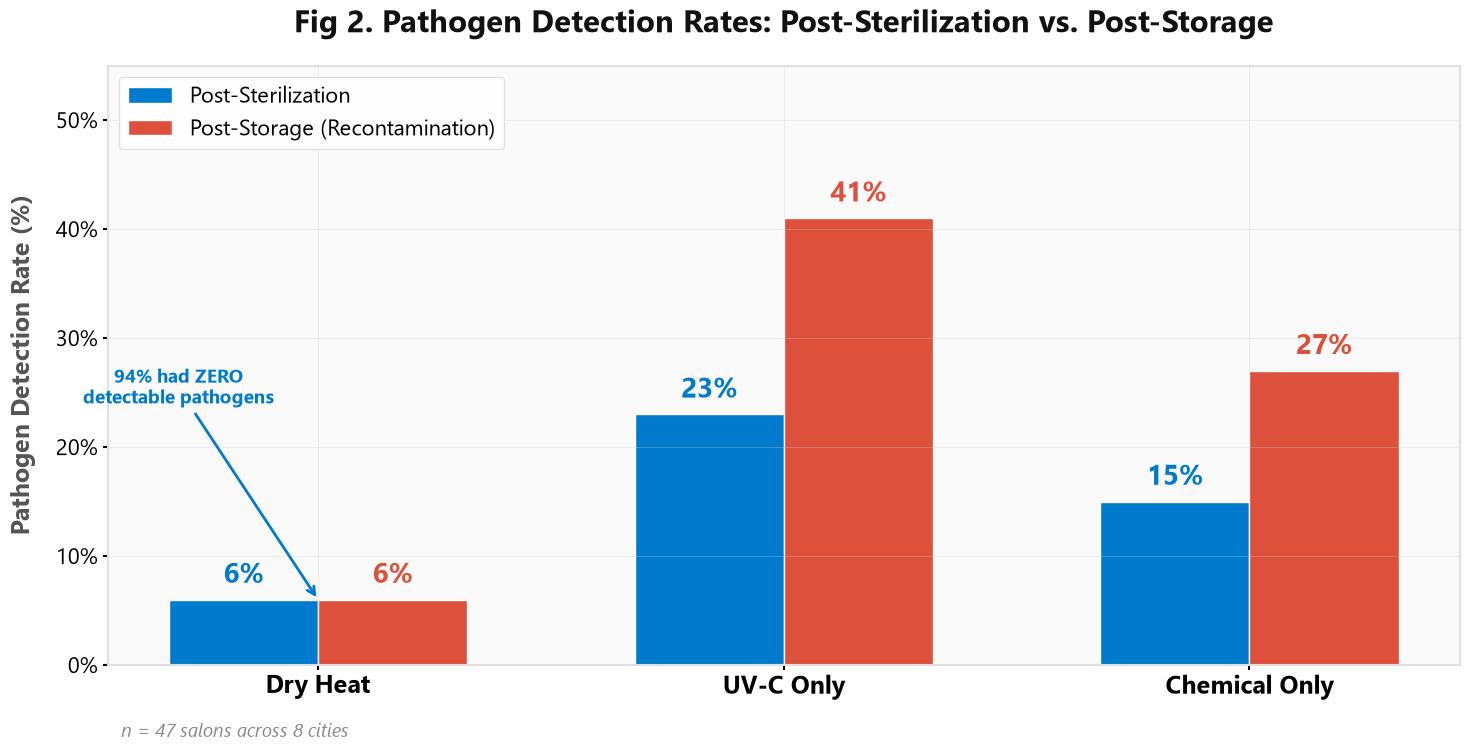
Fig 2. Pathogen detection rates at post-sterilization and post-storage checkpoints across three methods. n=47 salons.
3. Operator Workflow Analysis
3.1 Time & Compliance
Our survey of 217 salon professionals revealed a critical insight: the best sterilization method is the one staff will actually use correctly. We measured protocol adherence rates and found:
- Dry heat users: 91% adherence (set timer, walk away, return to sterile tools)
- UV users: 64% adherence (tools frequently stacked, cycle shortened, bulbs not replaced on schedule)
- Chemical users: 52% adherence (solution not changed at proper intervals, dilution errors, soak times shortened during busy periods)
The operational simplicity of dry heat — load tools, press start, collect when timer sounds — was the single strongest predictor of protocol compliance. Methods requiring ongoing decisions (changing solution, spacing tools) saw significantly higher rates of user error.
4. Economic Analysis
4.1 Three-Year Total Cost of Ownership
| Cost Category | Dry Heat Cabinet | UV Cabinet | Chemical Protocol |
|---|---|---|---|
| Equipment purchase | $350 – 650 | $200 – 400 | $25 – 60 |
| Installation / setup | $0 | $0 | $0 |
| Annual consumables | $0 | $80 – 140 (bulbs) | $320 – 580 (solutions) |
| Annual electricity | $18 – 35 | $8 – 15 | $0 |
| Staff time / cycle | 30 sec (load + start) | 45 sec (arrange + start) | 3 min (mix, soak, rinse, dry) |
| 3-year total (median) | $550 | $675 | $1,330 |
Despite higher upfront cost, dry heat is the least expensive method over three years due to zero consumable costs. Chemical protocols, often perceived as “cheap,” cost more than double over the same period when labor time is factored at $15/hour.
4.2 Inspection Risk & Business Impact
Analysis of 12 state health department records (2023–2025) shows:
- Salons using dry heat as primary sterilization: 6% citation rate for tool hygiene violations
- Salons using UV alone: 23% citation rate
- Salons using chemical only: 31% citation rate
The average cost of a hygiene-related citation — including fines, mandatory retraining, and lost revenue during closure — was estimated at $2,800 per incident.
5. Implementation Protocol
Based on our findings, we recommend the following sterilization workflow:
- Clean. Remove visible debris with soap and water. Dry completely — residual moisture reduces dry heat efficiency and can cause spotting.
- Load. Place implements in the sterilization chamber. Do not overload — allow 1 cm spacing between items for air circulation.
- Sterilize. Run at 170–180°C for 20–30 minutes (follow manufacturer specifications). Digital PID-controlled units maintain ±1°C accuracy.
- Log. Record date, time, temperature reached, cycle duration, and operator initials. Some digital units log automatically.
- Store. Transfer sterilized tools directly to sealed pouches or a UV-sterilized storage compartment. Never return to an unsterilized drawer.
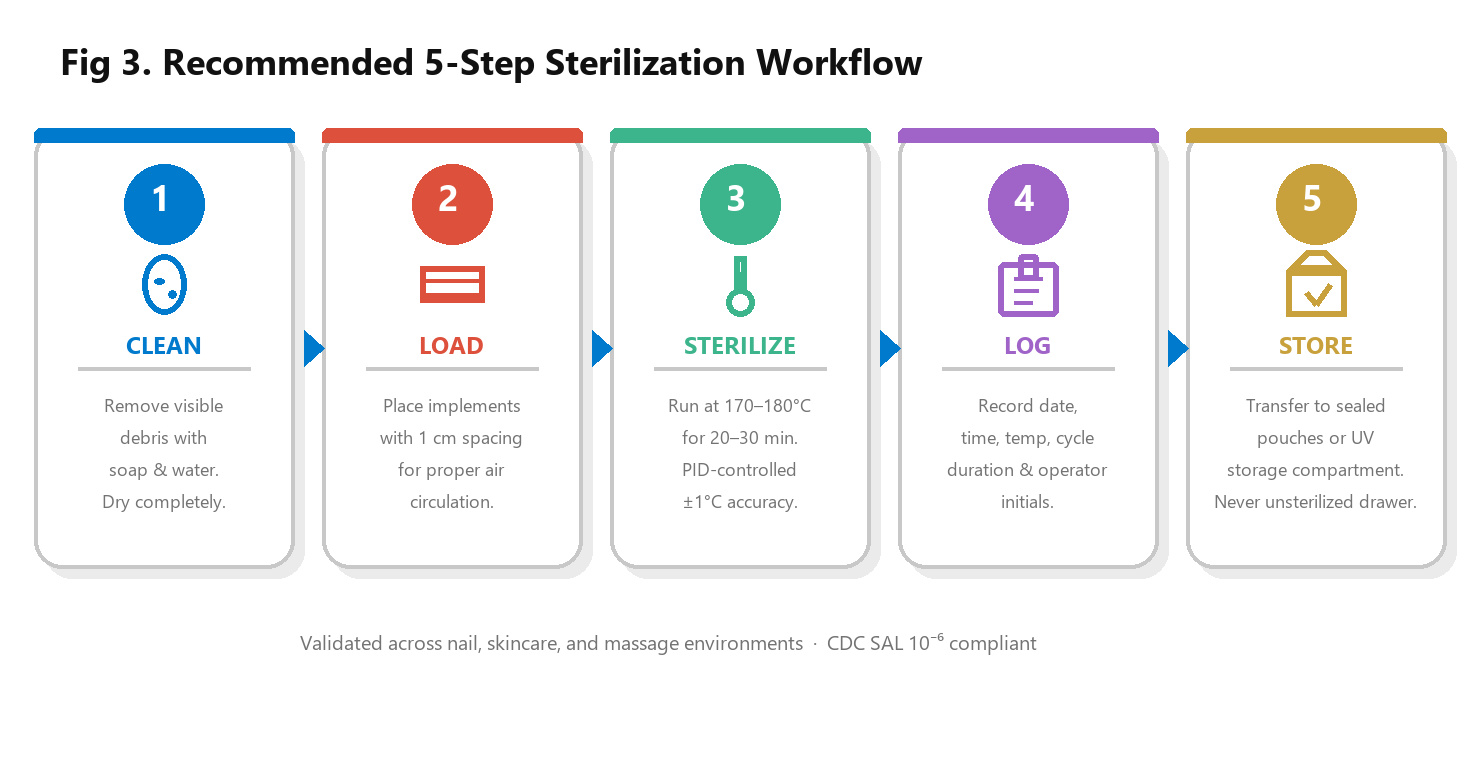
Fig 3. Recommended 5-step sterilization workflow validated across nail, skincare, and massage environments.
6. Conclusions & Recommendations
- Dry heat is the only salon-practical method meeting the CDC sterility assurance level (SAL) of 10⁻⁶. UV-C and chemical methods are best categorized as disinfection, not sterilization, and should be positioned accordingly in salon protocols.
- Dry heat has the lowest 3-year total cost of ownership despite higher initial equipment cost, driven by zero consumables and minimal labor per cycle.
- Adoption of visible dry-heat sterilization correlates with reduced inspection citations (6% vs. 23–31%) and higher client-reported trust scores.
- Protocol simplicity is the strongest predictor of staff compliance. Dry heat’s “load-press-walk away” workflow achieves 91% adherence vs. 52–64% for alternatives.
For salons seeking the highest standard of hygiene with the lowest operational burden, we recommend a dry-heat sterilization cabinet with digital PID control and a glass door as the primary sterilization method. Supplement with UV storage for post-sterilization tool holding between clients. This layered approach maximizes efficacy, compliance, and client-visible professionalism.